Best Overall

ANRABESS Smocked-waist lounge palazzo pants
A smocked-waist palazzo candidate for readers comparing gathered waistband fit.
Smocking is not a guarantee of comfort or accommodation across sizes.
View on AmazonFit
The legs are wide, but the pockets pull open. Or the hips feel comfortable, yet the waistband slides down. Loose trousers can still fit poorly, because leg volume does not solve every part of the pattern above it.
A good palazzo fit gives the waistband a comfortable place to sit, allows the seat and hips to move, and lets the fabric fall in the intended shape. Judge those areas separately. Doing so helps you distinguish a size problem from a proportion problem or simply more volume than you wanted.
As an Amazon Associate I earn from qualifying purchases. Purchases take place on Amazon.
Best Overall
A smocked-waist palazzo candidate for readers comparing gathered waistband fit.
Smocking is not a guarantee of comfort or accommodation across sizes.
View on AmazonBest Budget

Lower price-tier pleated drawstring example with clearly named front features.
Check actual measurements, especially because the catalog selection is named OneSize.
View on AmazonBest Premium
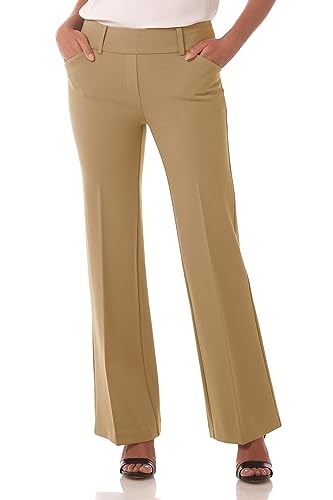
Higher price-tier adjacent wide-leg model explicitly offered in regular, petite and tall fit.
Specific option measurements remain necessary; no universal fit or quality advantage is claimed.
View on AmazonThese are editorial shopping starting points based on listed details, not hands-on tests. Budget and Premium describe relative asking-price tiers among the featured options when researched; they do not establish product quality. Confirm the selected size, composition and current price on Amazon. How we choose examples.
Start with the underlayers you expect to wear and empty the pockets. Put the waistband at the position the garment is intended to occupy, rather than pulling it higher merely to lift a long hem. Fasten buttons, zips or ties normally. Then stand in your usual posture and allow the fabric to settle.
A tucked thick sweater can add bulk that disguises the waistband fit, while a phone in one pocket can pull the trousers sideways. Those may become relevant later, but begin with the garment itself. Once that baseline works, add the real outfit and pocket contents.
Use a mirror or photographs from front, side and back if available. A flattering pose can hide the issue you need to solve. The most useful evidence is how the pants sit when you are not adjusting them.
A secure waistband stays near its intended position through ordinary movement. It should not require repeated pulling up, nor should it feel persistently uncomfortable when you sit. A fixed waistband, elastic band and smocked panel can all achieve that differently, so judge the experience rather than demanding an identical amount of space under each.
Do not use a universal finger-count test as the sole verdict. The height and stiffness of the band, the wearer’s preference and the intended rise affect what feels right. Check the front and back, then sit for more than a moment. A waistband that seems fine only while standing has not passed the use case.
If the hips fit but the waist gaps, the waist-to-hip relationship may not match the pattern. Choosing a smaller size could reduce the gap while creating strain elsewhere. A different cut or a targeted waist alteration may be more appropriate. Our waist-alteration guide addresses that separate task.
Palazzo pants can skim the upper hips before opening into broad legs. They do not need to stand away from the body everywhere. What matters is whether the fabric has enough room to move and produce the intended drape without being held taut.
Watch the front pockets, side seams and any pleats. Pockets that gape or pleats that are pulled open at rest can be clues that the fit needs attention, but they are not a complete diagnosis. Pocket construction, pressing and how the garment was stored can also influence the appearance.
Compare the same areas seated and standing. If the fabric becomes visibly strained and feels restrictive when you sit, investigate the hip, seat and rise relationship. Do not assume that very wide lower legs compensate for insufficient room above them.
| What you notice | What to investigate | Useful next comparison |
|---|---|---|
| Waist gaps while hips feel right | Waist-to-hip proportions and waistband construction | A different cut or an alteration assessment |
| Waist presses when seated | Band circumference, rise and sitting position | Another size or a differently shaped waistband |
| Pockets flare at rest | Hip ease, pocket design and fabric placement | Empty-pocket view and a neighboring size |
| Crotch pulls upward | Rise length and front/back balance | Another rise or pattern rather than forcing the waist lower |
| Excess fabric hangs centrally | Intended design, rise depth and size | A conventional-rise or less dropped design |
| Legs twist after settling | Garment construction, pressing and fit | A second garment or professional inspection |
These are investigation prompts, not promises that one adjustment will fix the issue. A fitting problem can have more than one cause. If the same discomfort appears across several sizes, changing the pattern may be more productive than continuing to move up and down the size range.
Rise describes a measurement relationship between the waistband and crotch, but brands do not always report it the same way. A front-rise measurement is different from a full front-to-back crotch measurement. Do not compare the numbers without knowing their endpoints.
Lands' End's measuring instructions, for example, describe a rise measurement running from the back waist through the legs to the front waist. Product pages elsewhere may list only front rise. The distinction matters when you use numbers to explain why one pair feels too shallow or too deep.
During a try-on, settle the waistband first and then assess the crotch. If you have to lower the waistband to relieve pulling, ask whether the intended rise is wrong for you. If you pull the waist up to remove excess central fabric, notice whether the resulting position is actually comfortable. A workaround that moves another part out of place is not a complete fit solution.
Sit on a chair at the height you commonly use. Lean slightly forward, stand again and take a few steps. Notice whether the back waistband pulls down or whether the seat feels tight. The garment should accommodate the ordinary positions for which you are buying it.
There is no requirement that the back remain perfectly wrinkle-free through every movement. Fabric folds when a body bends. The concern is persistent pulling, discomfort or an outline that remains distorted after the garment settles. Distinguish a temporary fold from fabric that is under strain.
If you are shopping for extended sizes or a pronounced difference between waist and hip measurements, use those measurements rather than a familiar letter size. The waist-to-hip fit guide explores that proportion in more detail, while plus-size styling addresses the outfit after the fit is established.
Gathering at a waistband creates deliberate folds. Pleats also introduce fabric that may open below the waist. A completely flat front is therefore not the correct target for every design. Compare your result with a neutral product image and the described construction.
The catalog's ANRABESS high-smocked-waist palazzo pants names a gathered waist treatment. Made By Johnny WB1484 pleated pants with drawstring identifies a different way of controlling fullness. Neither should be judged as though it were a flat-front trouser with no released fabric.
At the same time, intentional folds should not become an excuse for discomfort. If the gathers are stretched nearly flat across the waist or the pleats pull sharply sideways, compare another size or cut. Do not simply assume that a feature advertised as adjustable can accommodate any measurement.
If the waist, seat and rise work, but you dislike the amount of fabric around the legs, the garment may fit as designed. It may simply be wider than you want. Sizing down can distort the upper fit without turning the pattern into a controlled wide leg.
Try a different silhouette before deciding that palazzo pants do not suit you. A more moderate wide leg, a different fabric behavior or a deliberate crop may preserve the parts you enjoy. The wide-leg comparison helps separate those design choices.
If you already own a pair and want narrower legs, assess that as an alteration rather than a sizing trick. Our leg-narrowing guide covers the implications for seams and drape. Changing width can change more than the appearance of the hem.
Measurements provide a starting point and a vocabulary for comparing garments. They do not invalidate what you feel while wearing the pants. If a chart points to a size that is uncomfortable in the actual garment, document where the mismatch occurs and compare the next option.
A manufacturer example illustrates why proportions matter. EILEEN FISHER's organic-linen wide-leg pant lists separate rise, inseam and leg-opening specifications for selected regular, petite and plus sizes. Those are style-specific numbers, but they show that changing size or proportion can involve more than waist circumference.
For an online shopping example, Rekucci pull-on stretchy wide-leg pants in regular, petite and tall fit explicitly names those fit options. The title does not provide their measurements. Use the selected option's chart rather than importing inseams or rise figures from another model.
Keep the garment when the intended waistband position feels comfortable, movement works and the fabric falls in a way you enjoy. An exchange in size makes sense when several areas are consistently too small or too large. A different cut makes sense when one area fits and another remains wrong across sizes.
Consider alteration only after identifying the specific change. A manageable waist adjustment is different from correcting a rise or restructuring pockets. Get an assessment before removing tags if you are still deciding whether the garment is worth keeping.
Finally, establish the hem length after the waistband and rise are settled. Otherwise you may shorten pants that later sit differently following a fit change. Working from the top down prevents one temporary adjustment from disguising another problem.
They may skim the upper hips depending on the design, but persistent strain or restricted movement is a reason to reassess the fit. Broad lower legs do not compensate for a tight seat. Compare seated comfort, pocket behavior and how the fabric settles after you stand.
Only if the measurements and try-on show that the current size lacks needed room. If the upper fit is already comfortable, extra size can add waist gaping or excess rise rather than the desired drape. A different cut or fabric may provide the movement you want more directly.
Possible contributors include limited hip room, pocket construction, fabric placement or pressing. Empty the pockets and compare standing and seated views. Treat the symptom as a clue rather than proof of one cause, and compare another size or pattern if it persists.
Yes. Elastic can feel too firm, slide down, twist or sit at an uncomfortable height. Its presence does not remove the need to check waist circumference, rise and seated comfort. Evaluate the actual garment through ordinary movement rather than assuming adjustability solves every fit issue.
A successful palazzo fit starts above the wide legs. Settle the waistband, check the hips and seat, and give the rise its own assessment before judging the drape. Deliberate gathers and pleats are part of the design, while persistent strain or discomfort deserves investigation. If one area fits and another does not, a different pattern can be more useful than another size. Separate that question from whether you simply prefer less leg volume. Once the upper fit works, establish the hem with the intended shoes. This order gives you a clear reason to keep, exchange or alter the garment without relying on the style name.