Best Overall

Zylioo Tall long inseam palazzo pants
A long-inseam palazzo candidate for readers seeking more length.
Tall wording does not supply an exact inseam or guarantee the intended hem.
View on AmazonFit
Your palazzo pants look exactly right in one pair of shoes and gather on the floor in another. Nothing about the trousers changed. The height and shape beneath the hem did.
That is why the right length begins with the shoes and the way you plan to wear the pants. A long palazzo can create a sweeping line while still clearing the ground. An ankle-length or cropped pair can be equally deliberate. The task is to choose the result and verify it in ordinary movement, not copy a fixed measurement from a styled photograph.
As an Amazon Associate I earn from qualifying purchases. Purchases take place on Amazon.
Best Overall
A long-inseam palazzo candidate for readers seeking more length.
Tall wording does not supply an exact inseam or guarantee the intended hem.
View on AmazonBest Budget

Lower price-tier short-option palazzo listing for length comparisons.
The selected short measurement must be checked; this is not a universal petite recommendation.
View on AmazonBest Premium
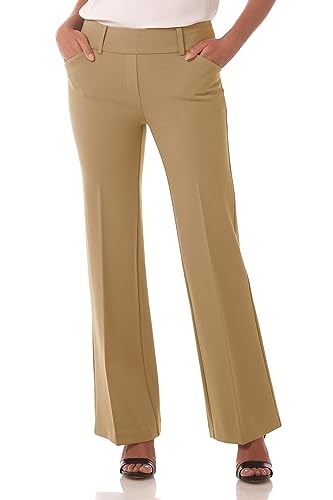
Higher price-tier wide-leg alternative with regular, petite and tall fit labels.
An adjacent style; verify each option’s measurements and do not infer better quality.
View on AmazonThese are editorial shopping starting points based on listed details, not hands-on tests. Budget and Premium describe relative asking-price tiers among the featured options when researched; they do not establish product quality. Confirm the selected size, composition and current price on Amazon. How we choose examples.
Full length, ankle length and cropped are different design choices. A full-length pair carries the broad fabric line down around the shoe. An ankle-length pair frames more of the footwear. A higher crop makes the visible lower leg part of the outfit. None is a failed version of another when chosen deliberately.
The problem arises when the listing's intention and yours differ. A product shown cropped may become nearly full length on you, or a long pair may expose much more ankle than you expected. Read the inseam and the selected variation instead of relying solely on the model image. Our culottes and gauchos comparison helps translate overlapping shorter-length labels.
Place the pants where the waistband is designed and comfortable to sit. Do not pull them upward to hide a long hem or let them sag to create more length. Either move changes the crotch position and can disguise a separate fit issue.
If the waistband slides during walking, solve that before setting a permanent hem. A length measured while you hold the pants up will not remain the same when you stop holding them. Similarly, a planned waist alteration may change where the garment settles. Fit first, length second.
Use the waist, hip and rise fit guide if you cannot establish a stable starting position. Once the top is settled, the hem can be judged as a length decision rather than a workaround for something above it.
Two shoes described as flats can have different sole thicknesses. A platform and a conventional heel can lift the body differently relative to the toe and heel of the shoe. Shoe shape also affects whether fabric rests on the front, falls beside it or catches on a detail.
For that reason, bring the intended pair to a fitting. A verbal description such as low heels leaves too much unresolved. If several shoes will be used, bring representatives of the actual range and check each one. The right comparison is how the hem behaves, not the number printed beside the heel height.
Put on both shoes and stand with your weight distributed normally. A single shoe, a pointed toe or a lifted heel can create a misleading view. You want the length that works when you are simply wearing the outfit.
At the front, inspect whether the fabric falls as you want over or beside the shoe. A little contact with the upper can be part of the appearance, but bunching that hides the leg shape may indicate more length than you intended. At the side, look for a clear relationship between hem and floor. At the back, check whether the fabric reaches beneath the heel.
One mirror angle is not enough for a very broad leg. The hem can sit differently around its circumference as the fabric folds. Ask another person to look at the back or use a photograph taken at a normal angle. Avoid tilting the camera downward so much that the floor relationship becomes hard to judge.
If the two legs appear different, check your stance and the waistband before assuming the garment is defective. If the difference remains, a fitter can assess the actual garment and mark each side appropriately. Do not cut both legs based on one unverified observation.
| Your main use | Useful starting choice | What to verify |
|---|---|---|
| One specific occasion shoe | A full length fitted with that pair | Standing, walking and turning clearance |
| Several similar everyday shoes | A hem that works across the real group | The lowest sole does not leave fabric underfoot |
| Frequent flat-to-high-heel changes | A deliberate shorter length or separate shoe-specific pairs | Whether the compromise still looks intentional in both |
| Wet streets or frequent outdoor walking | More visible clearance if that suits your style | Ordinary movement and the places you actually walk |
| A shoe-focused outfit | Ankle or cropped interpretation | The amount of shoe and lower leg you want visible |
This table proposes useful options rather than assigning a compulsory length. The final choice should reflect the garment, footwear and activities you actually expect.
Take several normal steps, turn, stop and start again. Watch whether the hem swings beneath the heel, catches on the toe or needs constant lifting by hand. A pair can clear the floor while standing still yet behave differently during a stride.
If stairs are part of the intended setting, assess how you will manage the fabric with ordinary care. Do not treat an elegant stationary photograph as evidence that the same length is practical in every environment. The point is to choose a usable everyday or occasion length before a tailor makes an irreversible change.
For an outfit that relies on lifting the hems continuously, ask whether the length is serving you. You may prefer that dramatic effect for a photograph, but it is a different decision from fitting pants for a day of walking.
A hem fitted very close to the ground with a higher shoe will generally sit lower relative to the floor when that lift is removed. A hem chosen to work comfortably with a low shoe may reveal more of the higher shoe. There is no hidden waistband trick that preserves the same fit and silhouette across every change.
You can choose a compromise and decide that the higher-shoe look showing more footwear is acceptable. You can choose an ankle-length design that intentionally exposes the shoe. Or you can reserve different pairs for different shoe groups. These are wardrobe choices, not failures of styling.
What is less reliable is buying a too-long pair and assuming you will always wear whichever heel makes it work, even when you rarely choose that shoe. Let your actual habits influence the purchase.
Inseam measures along the inside leg from the crotch seam to the hem when the garment is measured that way. Rise, waistband position and your proportions influence how that number translates into a finished look. A model's height cannot replace the relationship.
Lands' End recommends measuring the inseam of well-fitting pants laid flat. That gives you a useful reference, particularly when the comparison garment has similar fabric and a similar intended position. Our measurement guide explains how to keep body and garment numbers separate.
As a manufacturer example, EILEEN FISHER lists different regular and petite inseams for one organic-linen wide-leg style. Long Tall Sally lists 34- and 36-inch inside-leg options for its white linen-blend wide-leg trousers. Those are product-specific choices, not recommended inseams for everyone in a height category.
The catalog's Tronjori high-waist palazzo business pants in M Short identifies a short option but does not establish its exact inseam in the title. Zylioo palazzo pants for tall women with a long-inseam description likewise signals an intended audience without supplying the number here. Read the selected specifications before comparing them.
A higher price-tier Rekucci regular, petite and tall wide-leg model provides another example of fit-option wording. It is an adjacent wide-leg alternative, and the existence of three labels does not mean its proportions match those of another brand.
When a seller offers only one length, decide whether the likely alteration is acceptable before ordering. A border, split hem or unusual finish may make shortening more involved than a plain hem. The most useful option is the one whose measurements and construction match your plan.
Resolve the fit, select the shoes and decide on the intended clearance. Then check the garment's care instructions and whether any label-compatible preparation is appropriate before alteration. Do not wash a returnable garment simply because a generic guide says all pants must be washed first.
GINETEX's care principles explain why the entire article matters, including finishes and accessories. A blanket washing instruction based on a fiber name would be inappropriate. If the pants require professional care or have delicate construction, discuss preparation with the fitter or cleaner.
Bring the full outfit to the appointment and state the intended use clearly. Ask to see the proposed length with the actual shoes before any cutting. This article establishes the target; the separate hemming tutorial covers the sewing task, and temporary shortening options cover reversible approaches.
Once you have a successful pair, note its inseam, waistband position and the shoes it works with. A photo of the settled hem can be helpful for a future fitting. Record whether you prefer full length or visible ankle rather than simply writing good length.
That reference will not guarantee the same result in every fabric or pattern, but it gives you a clear starting point. You can compare new listings with a known garment instead of reconstructing the decision from memory each time.
They do not need to touch the floor to create a long line. Choose a length that avoids dragging and being caught underfoot in normal movement. Inspect the back and sides as well as the front, because a broad hem can sit differently around the shoe.
There is no universal number for every shoe, wearer and garment. Decide the appearance you want, then verify practical clearance with the actual footwear. A tailor can mark the individual pair while you stand naturally and confirm the result before cutting.
Possibly, if the difference in sole height is modest or you accept more shoe showing with one pair. For a large change, a shorter intentional length or separate shoe-specific pants may work better. Check both combinations instead of assuming one fitting covers all footwear.
No. Ankle-length and cropped interpretations deliberately show footwear, and a full-length pair can reveal shoes while walking. The question is whether the result matches your intention. If you wanted a continuous long sweep, compare the actual inseam and rise before choosing a replacement.
Set palazzo length with a stable waistband and the shoes you will really wear. Choose whether you want a long sweep, visible ankle or a crop, then inspect the hem from several angles and in motion. The right result clears the floor in practical use and gives you the appearance you intended. A fixed gap or height-based inseam cannot replace that check. If your shoes vary substantially, accept a deliberate compromise or give different pairs different jobs. Record the measurements of a successful fit, and make permanent alterations only after the garment, footwear and intended use have all been considered together.