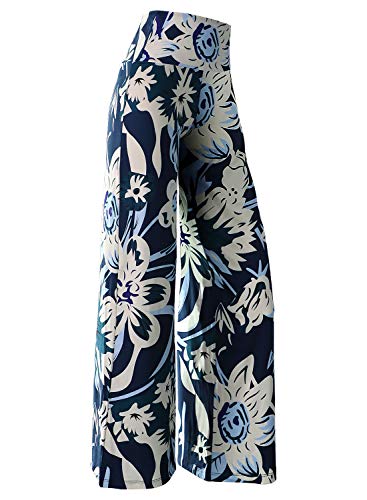
A wide, skirt-like pair of trousers worn with a kurta could be described as palazzo pants or as part of a sharara ensemble. At a glance, the outlines can overlap. The difference is not solved by calling one plain and the other embroidered, or by assuming every sharara has a seam at the knee.
Look instead at the construction, the amount and distribution of flare, and how the maker describes the complete outfit. South Asian fashion labels use these names within living design traditions, and individual collections do not always draw the boundaries in exactly the same place.
Shopping starting points
As an Amazon Associate I earn from qualifying purchases. Purchases take place on Amazon.
These are editorial shopping starting points based on listed details, not hands-on tests. Budget and Premium describe relative asking-price tiers among the featured options when researched; they do not establish product quality. Confirm the selected size, composition and current price on Amazon. How we choose examples.
Linked Amazon product image. See the exact listing for garment details.
The distinction is larger than embellishment
Embroidery, sequins and a decorative border can appear on several trouser types. Adding them to a palazzo does not automatically turn it into a sharara, and a relatively simple sharara does not lose its name because it lacks heavy decoration. Construction and the designer's garment vocabulary deserve more weight.
BIBA's guide to salwar-kameez designs discusses palazzo and sharara as different wide-leg options, with palazzo presented as fluid and sharara associated with more pronounced flare and occasion dressing. That is useful current design context. It should not be transformed into a rule that every palazzo is casual or every sharara belongs only at a wedding.
When you compare two outfits, first remove the decoration from the decision mentally. Ask whether the underlying legs are straight, gradually flared, paneled or joined to a fuller lower section. Then put the embellishment back into the picture and judge the complete result.
Keep gharara distinct from sharara
The knee seam is the detail most likely to cause confusion. Lashkaraa's comparison identifies a gharara by a knee-level seam with gathered or pleated fabric below. It describes sharara with a smoother flare and no equivalent knee join. Safaa World likewise contrasts a knee-fitted gharara with a sharara that is loose and wide from higher up.
These sources are not perfectly identical about the point where a sharara begins to flare. That variation is a reason to inspect the specific design. It is not a reason to replace the distinction with the incorrect shortcut that sharara always means a fitted knee and a gathered seam.
If the join is hidden beneath a long top or decoration, request a photograph of the trousers alone. A close-up around the knee can be more useful than a sweeping full-outfit image. You need not become a pattern cutter, but identifying a visible horizontal join can prevent ordering a different silhouette from the one you intended.
A comparison centered on what you can verify
Question
Palazzo
Sharara
Gharara reference
What does the name usually emphasize?
Broad trouser legs
Flared, skirt-like trousers within a South Asian outfit vocabulary
A distinctive fitted-to-full lower-leg construction
Where might volume begin?
Through much of the leg
Varies by maker and pattern
Marked expansion below a knee-level join is a common distinction
Is embellishment required?
No
No universal requirement
Decoration may emphasize the join, but inspect construction
What might be sold?
Separate pants or a set
Pants or a coordinated ensemble
Pants or a coordinated ensemble
What must the buyer confirm?
Shape, measurements and fabric
Shape, set contents, measurements and garment terminology
Knee position, join construction and set contents
This table is a shopping guide to common distinctions, not a declaration that one community or designer must use every word in exactly the same way. If a maker supplies a precise name for a particular design, keep it when referring to that garment.
Decide whether you need trousers or an ensemble
A palazzo listing may contain only pants. A sharara photograph may show a top, trousers and dupatta, yet the listing may offer different combinations or additional pieces separately. Do not assume that everything worn by the model is included.
Read the contents line and identify each piece. Then check whether the top and bottom have separate measurements or one shared size selection. A coordinated set can simplify color matching, but it may also require you to solve two different fit needs at once. The top can fit while the trousers do not, or the reverse.
If you already own a kurta you want to use, measure its length and note where its side slits begin. You are not planning a complete styling formula yet; you are checking whether the new trouser construction will be visible and whether the pieces give you the coverage and movement you prefer. The detailed outfit work belongs in the kurti guide.
Read the flare as part of the whole silhouette
A short top can show the origin of the flare. A long top can conceal much of the upper construction and leave only the lower width visible. The same trousers can therefore appear quite different beneath different garments. That is one reason a photograph of a complete outfit can make palazzo, sharara and gharara distinctions harder to see.
When comparing, ask the seller for a separate trouser view if one is available. Look for panels, horizontal joins, released pleats and how the width changes below the hip. Do not use a wide skirt-like hem as the only identifying feature, because more than one design can create it.
Also consider the amount of volume you want in motion. A heavily flared bottom can make a strong visual statement, while a simpler broad leg may integrate more quietly with an existing top. Those are preferences. They do not establish cultural authenticity or a hierarchy of elegance.
Occasion choices need specific context
Sharara ensembles are commonly offered for festive and wedding-related dressing by the designers cited here. That tells you about current product positioning, not a universal dress requirement. A family gathering, a religious ceremony and an evening reception may have different expectations even within the same celebration.
Use the invitation and any guidance from the hosts. If a particular garment or degree of coverage is requested, ask about that directly. Do not treat a generic palazzo purchase as an automatic substitute for a named ensemble, and do not assume that buying a heavily embellished sharara guarantees appropriateness.
Color, sleeve coverage, top length and dupatta use can be personal or context-dependent choices. Avoid rules that speak for all South Asian wearers or all religious traditions. A simple, respectful question about the actual event is more useful than a blanket statement drawn from a shopping category.
Check the practical details beneath the decoration
Inspect the inside as well as the outside description. A lining can change the feel and movement of the whole outfit, and a decorative border may add weight near the hem. A broad leg in a picture does not prove that the garment is opaque, light or easy to alter.
Check the care instructions for the complete garment. GINETEX explains that care treatment depends on the whole article, including finishes and accessories. That is particularly relevant when a design combines an outer fabric, lining and decorative work. A generic instruction for the named fiber is not enough.
If you expect to need shortening, ask how the hem or border is constructed before purchase. Removing fabric from the bottom could remove the detail you wanted, while a different alteration route may be more complicated. A tailor who can inspect the actual piece should assess feasibility; the silhouette name cannot answer that question.
A fitting session should include the complete outfit
Put on the intended top, any underlayers and the shoes you plan to use. Sit, stand and walk at your usual pace. Check whether the waistband stays comfortably in place and whether the upper layers pull on the trousers or conceal a construction detail you wanted visible.
For a gharara-style design, pay particular attention to where the knee join sits when standing and bending. For a sharara or palazzo, examine whether the broader leg and hem move as expected. These checks concern the specific garment, not a claim that one style is always easier to walk in.
Try carrying the bag or other items you expect to hold. If you plan to wear a dupatta, check the arrangement you prefer rather than copying an elaborate photograph that will need constant adjustment. Comfort and practicality belong to the whole outfit.
Rekucci Travel in Style stretchy palazzo pants offers a higher price-tier palazzo alternative. None of these listings should be relabeled sharara simply because you might pair it with a kurta. If your goal is a named sharara set, consult a maker that identifies the garment and lists the complete outfit contents.
This distinction keeps shopping links useful without blurring the comparison. A separate palazzo may be exactly what you need for a top you already own. A coordinated sharara ensemble may be the more direct route when you want that specific design and context.
Four questions that narrow the choice
Do I want a versatile separate or a coordinated ensemble?
Do I prefer a simple broad leg or a more pronounced flared construction?
Does the event call for a specific garment, coverage preference or level of decoration?
Can I verify the included pieces, measurements, lining and alteration possibilities?
Answer those before comparing colors or price tiers. They determine whether the products are genuine alternatives for your purpose. Once the construction and context are right, you can choose the visual details with far less uncertainty.
Frequently asked questions
Is a sharara the same as a knee-flared gharara?
Designers commonly distinguish the gharara through a knee-level join that releases fuller fabric below. Sharara descriptions generally emphasize a smoother flared shape, although the flare starting point varies between makers. Look at the exact construction rather than applying the knee-seam description to every sharara.
Can plain palazzo pants be worn with a kurta?
Yes, that can be a useful outfit combination when it matches your preferences and the occasion. The pairing does not automatically change the trousers into sharara pants. Describe the pieces accurately and check the kurta length, slits and trouser proportions together.
Does a sharara listing always include a dupatta?
No assumption should be made from the photograph alone. Read the listed set contents and options. Jewelry, shoes and sometimes additional layers may be styling accessories rather than included items. Confirm the exact selection before ordering a coordinated outfit.
Which option is suitable for a wedding?
Either may work in an appropriate complete outfit, but the invitation and hosts’ expectations matter. A generic palazzo title does not establish formality, and a sharara name does not guarantee the correct coverage or decoration for every ceremony. Use specific event guidance rather than a universal cultural rule.
Final Verdict
Choose with both construction and context in view. Palazzo usually identifies broad trousers that can function as separates, while sharara sits within a South Asian ensemble vocabulary and often emphasizes a more pronounced flared effect. Keep the knee-seamed gharara distinction clear, and allow for differences between designers’ descriptions. Before buying, verify what is included, how each piece is sized and whether the outfit meets your actual occasion needs. A plain palazzo paired with a kurta can be a deliberate choice, just as a coordinated sharara can be. Accurate names and specific garment details make those choices clearer without turning a varied dressing tradition into rigid rules.