Best Overall

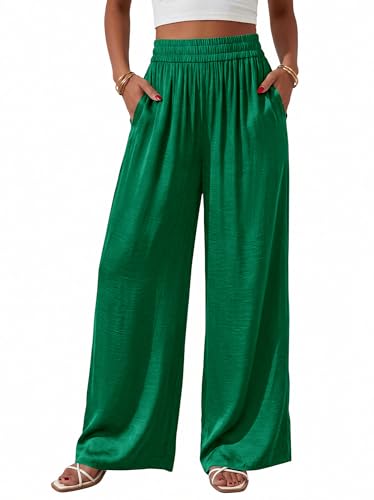
TYHOTULY Satin high waist palazzo trousers
A high-waisted satin-titled palazzo option for evaluating a polished surface.
The catalog title does not verify silk or other fiber percentages.
View on AmazonMaterials
A listing headed silk satin palazzo pants may look wonderfully clear until you try to answer a basic question: what are the pants actually made from? The title can combine a fiber name, a weave, a surface description and a styling claim in one line. Those words are not interchangeable.
The key distinction is straightforward. Silk is a fiber; satin describes a weave. Silk can be woven as satin, but a satin fabric can use a different fiber. Once you separate those ideas, choosing a pair becomes a practical exercise in composition, appearance, construction and maintenance.
As an Amazon Associate I earn from qualifying purchases. Purchases take place on Amazon.
Best Overall
A high-waisted satin-titled palazzo option for evaluating a polished surface.
The catalog title does not verify silk or other fiber percentages.
View on AmazonBest Budget
A lower-priced glitter satin-titled palazzo alternative with a distinct surface treatment.
Glitter appearance may not suit a quiet finish; composition remains unverified.
View on AmazonBest Premium

A higher-priced Facogoo satin-titled dress-pants option for comparing evening silhouettes.
An adjacent wide-leg cut; silk in the title does not establish silk content.
View on AmazonThese are editorial shopping starting points based on listed details, not hands-on tests. Budget and Premium describe relative asking-price tiers among the featured options when researched; they do not establish product quality. Confirm the selected size, composition and current price on Amazon. How we choose examples.
The question what is it made from needs a fiber answer. The question how is the fabric constructed needs a weave or knit answer. CottonWorks identifies satin as one of the basic weaves. That definition is the reason a satin appearance cannot authenticate silk content.
Put the information into two boxes when comparing products. One box contains the composition percentages. The other contains the fabric description, such as satin, crepe or knit. If the composition box is empty, the product remains an unverified material choice, however persuasive its photographs. You can still like the appearance, but you should not pay for a specific fiber on the basis of a surface word alone.
CottonWorks connects satin's smooth, lustrous appearance with long floats in the weave. It also notes potential snagging and seam-slippage issues. Those are construction considerations, not a prediction that every satin garment will fail in the same way.
When shopping, inspect photographs under more than one lighting setup if available. A strong studio highlight can exaggerate shine, while a matte-looking image may simply use diffuse light. Ask whether you want a bright reflective effect or a quieter surface. Neither preference requires you to call the other cheap-looking. The best surface is the one that works with your intended outfit and feels comfortable to you.
Silky is often an appearance or feel description. It does not provide a percentage. Similarly, a product title can contain silk among many search terms without the available catalog establishing that the selected garment contains silk. Read the material section and, when possible, the actual sewn-in label.
If a product gives conflicting information, ask a precise question: what is the main fabric composition for this size and color, and is the lining different? Requesting the selected variant matters because product families can contain multiple styles. Do not transfer composition from a different color, a similar brand image or a separate seller's version. Until the conflict is resolved, describe the pants by the supported surface and shape.
| Listing phrase | What you can provisionally infer | What still needs checking |
|---|---|---|
| Satin palazzo pants | A satin-described surface or fabric | Fiber percentages and actual construction |
| Silky trousers | A seller's feel or appearance description | Whether any silk is present |
| Silk blend | Silk is claimed as one component | Percentage and other fibers |
| 100% silk main fabric | A specific composition claim | Lining, care and selected variant |
| Crepe-back satin | Different described fabric faces | Fiber, weight and suitability |
If your priority is owning silk, set verified composition as a requirement. A visually similar synthetic satin may be attractive, but it does not satisfy that particular goal. If your priority is a reflective evening silhouette, you can compare a wider range of satin fabrics without pretending that they are all silk.
Write down the reason for your preference. You might enjoy a certain touch, want a particular drape, or wish to match another garment. These goals require different checks. Matching sheen is a visual comparison; matching composition requires a label. A higher price does not settle either question, and a lower price does not by itself prove that a seller's composition statement is false.
Long, flowing legs place attention on the seams and hem. Look for a smooth seam line, even hems and pockets that sit as intended. During a try-on, check the seat and upper thigh while sitting as well as standing. A reflective surface can make small changes in the fabric's shape more noticeable, so adequate room is especially useful.
Examine the waistband and closure without forcing them. A satin surface may be paired with elastic, a zipper or a drawstring, and those options create different practical compromises. If the waistband is uncomfortable or the pockets pull open, a preferred fiber will not correct the fit. Compare the actual construction before deciding that an expensive-sounding material makes the garment suitable.
Check the selected color with the underwear and layers you intend to wear. Test ordinary room light and a brighter setting, and include the rear view. You are looking for visible color contrast, pocket outlines and areas where fabric becomes more transparent under tension. The lower leg alone cannot answer those questions.
A lining can change the result, but ask whether it is full length and whether it has enough room to move with the outer layer. More layers are not automatically more comfortable. If you need an extra underlayer, assess the complete outfit while seated. Our coverage guide addresses this decision without prescribing one underwear style for everyone.
The TYHOTULY satin palazzo listing names a high waist and a satin surface. That gives you a shape and appearance to investigate, but no verified silk percentage. It is a useful starting point for someone who wants a polished look and is willing to evaluate the composition separately.
The Facogoo satin wide-leg dress-pants listing includes silk in its title, but the catalog evidence does not establish the fiber content. It is also a general wide-leg alternative rather than a verified full palazzo cut. The BTFBM glitter satin palazzo listing provides another surface direction. Its glitter description is a styling difference, not evidence of superior material.
Mood's polyester crepe-back satin range demonstrates that a satin fabric can explicitly be polyester. The supplier describes contrasting satin and crepe faces. That example resolves a terminology question; it does not establish the composition, weight or maintenance of any unrelated ready-made trousers.
For sewing, this distinction helps you ask a fabric seller useful questions. Which face will show? Does the cloth have enough body for pockets? How should it be prepared before cutting? For ready-made shopping, it helps you resist a common mistake: treating a fabric-family description as if it were a complete specification for every garment in that family.
Check cleaning, drying and finishing instructions for the entire garment. GINETEX notes that care guidance considers the article's vulnerable components. A lining, trim or finish can matter even when the outer fabric's fiber is familiar.
If the label restricts heat or moisture, do not substitute a generic silk or satin routine. Allow enough preparation time before an event to follow the approved method and resolve creases calmly. Avoid first experiments with a new iron setting immediately before leaving. If you plan frequent wear, consider whether the care arrangement is realistic rather than assuming a luxurious appearance must be inconvenient or a synthetic composition must be easy.
Compare two or three candidates using four headings: verified composition, desired shine, comfortable construction and workable care. Give each an honest note. A pair may be ideal visually but unsuitable if you specifically want confirmed silk. Another may have the fiber you want but an awkward rise or insufficient coverage.
You can choose either result without inventing a universal quality scale. Satin is a legitimate fabric construction, not a lesser synonym for silk. Silk is a legitimate fiber preference, not a guarantee that every garment made from it will fit or wear well. The useful purchase is the one whose actual description matches the feature you are paying for.
Yes. Silk satin combines a silk fiber composition with a satin weave. The words answer different questions. Check the actual percentage if the product is a blend, and inspect lining information separately from the main fabric.
No. It can describe an impression of smoothness or sheen. Look for the composition statement for the exact selected garment. If the title and material details conflict, resolve that conflict before buying on the assumption that silk is present.
No. Sheen is one element of an outfit, alongside cut, color, footwear and the occasion's expectations. A relaxed drawstring satin pair may read differently from tailored evening trousers. Choose the complete outfit for the context rather than relying on the fabric name.
It is not a sensible way to evaluate a finished purchase. It damages material, can be hazardous and does not give you a reliable composition breakdown for blends. Seek a clear label, seller clarification or professional textile identification when necessary.
Resolve silk versus satin by separating composition from construction. If real silk is essential, require a clear, consistent fiber statement for the selected garment. If the satin effect is what you want, compare that effect honestly across different compositions. Then give equal attention to coverage, seam behavior, fit and permitted care. A beautiful photograph or a higher price cannot fill in missing material information. Choose the pair whose verified details match your reason for buying, and keep silk-sounding words from becoming unsupported assumptions about quality, comfort or maintenance. Keep that distinction clear throughout the final comparison.