There is no single palazzo-and-hijab outfit that represents every wearer. Some people prefer a long tunic over broad trousers, some choose an open outer layer, and some build a coordinated set. Your own coverage preferences, scarf routine, and daily activities determine which arrangement feels right.
The most useful styling work happens at the points where pieces meet: scarf and neckline, sleeve and cuff, tunic opening and waistband, trouser hem and shoe. Looking at those junctions lets you adjust an outfit without turning personal choices into universal rules.
Shopping starting points
As an Amazon Associate I earn from qualifying purchases. Purchases take place on Amazon.
These are editorial shopping starting points based on listed details, not hands-on tests. Budget and Premium describe relative asking-price tiers among the featured options when researched; they do not establish product quality. Confirm the selected size, composition and current price on Amazon. How we choose examples.
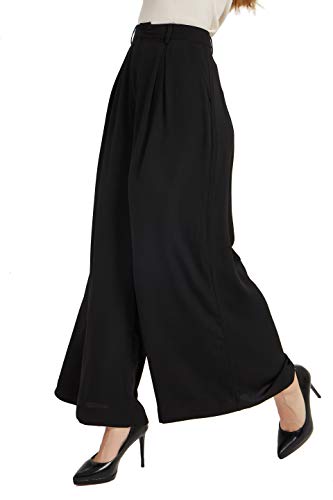
Linked Amazon product image. See the exact listing for garment details.
Define your own outfit requirements first
Before considering colors, decide what you want covered in the situations you expect. You may want a longer top, sleeves that remain in place when reaching, a certain scarf arrangement, or trousers that hang away from the leg. Write these requirements in concrete terms so you can evaluate the actual clothes.
Contemporary retailer Modanisa includes palazzo trousers within its modest-fashion pants offering. That gives a current shopping context, not a religious ruling or a promise that every listed garment meets every wearer's standards. Assess the selected model according to your own preferences and any requirements of a particular setting.
Use the same care with inspiration photographs. They can show a color combination or a layering idea, but they may not show movement, backlight, or the side view. Borrow the useful visual relationship and test it in your own clothes.
Start with the trousers' coverage and ease
Put the palazzo pants on with the undergarments you plan to wear. Inspect the front, side, and back in ordinary light, then check stronger backlight if available. Sit and bend to see whether fabric tension changes what is visible. Dark colors are not an automatic substitute for this check.
Choose the amount of ease you want around the waist, hip, and upper leg. A trouser can have a very wide hem while fitting closely higher up, so the word wide-leg does not answer the whole coverage question. Look at the garment's actual shape and how it moves on you rather than relying only on a front photograph.
The Tronjori black high-waist palazzo business pants provide a plain trouser example for a tunic or longer jacket outfit. The title supports high-waist and palazzo styling; it does not establish opacity or your preferred amount of upper-leg ease. Use the exact measurements and your own trial to settle those points.
Choose one long layer for its actual job
A tunic can provide the coverage you want with a relatively simple outfit. An open shirt can frame a base top. A long jacket or outer garment can add another shape and level of dress. Decide what each layer does before adding it, so you do not end up with several pieces solving the same problem awkwardly.
Try the longest layer first. Check whether it hangs freely over the trousers or catches at the waistband and pockets. If it pulls up when you sit, consider its cut, side openings, and the fabric beneath it. More length alone may not solve a garment that does not move comfortably.
For a plainer base, the Sampeel black high-waist linen palazzo trousers are another title-supported option to investigate. The linen description does not establish percentages or coverage, and the title's work and vacation language does not prove suitability for your setting. Evaluate the selected pair beneath the layer you intend to wear.
Use the scarf as part of the upper silhouette
Your familiar scarf arrangement is a sensible starting point. Try it with the neckline and collar of the outfit rather than changing your routine simply to imitate an image. A high collar, a hood, or an embellished shoulder can create extra volume or friction near the scarf, so check those areas together.
If the scarf has generous volume around the shoulders, a simpler collar may feel easier to manage. If your scarf arrangement lies closer, you may enjoy a more structured jacket or a detailed sleeve. These are visual options, not a rule that one scarf shape must accompany one body shape.
Check where the scarf ends fall relative to the top and bag strap. An end that looks settled while standing may shift when you carry a shoulder bag or reach across a table. Use your preferred method of arranging it, and choose accessories that do not repeatedly disturb that arrangement.
Check the junctions that photographs miss
Junction
Movement to try
Decision to make
Scarf and neckline
Turn your head and reach forward
Whether the coverage and arrangement stay as intended
Sleeve and cuff
Lift an arm and carry a bag
Whether sleeve movement meets your preference
Top opening and waistband
Sit, step, and turn sideways
What becomes visible through slits or an open front
Outer layer and trouser pockets
Walk and sit with everyday items
Whether the layers catch or bunch
Trouser hem and shoe
Take stairs and step backward
Whether the hem stays clear and coverage feels right
Each check answers a personal outfit question. None is a test of someone's identity, faith, or correctness. The purpose is to make your chosen arrangement behave the way you want during the day.
Coordinate scarf color in three different ways
You can repeat a trouser color in the scarf for a clear connection between the upper and lower parts of the outfit. A navy pant and navy scarf with a lighter tunic is one example. The pieces do not need identical textures for their colors to relate.
Alternatively, choose the scarf from a color in the top's print. That can connect a patterned tunic to plain trousers without introducing another unrelated color. If the print is busy, a solid scarf may give the face area a quieter frame, though you can choose pattern there too if you enjoy the result.
A third option is a deliberate contrast. A muted rust scarf with a dark outfit or a pale scarf with deeper colors creates a different emphasis. Compare the pieces in the same light, especially when trying to match neutrals, and choose what you like rather than a claim about which colors a particular person should wear.
Balance volume without prescribing a fitted top
Wide trousers do not require a tight or cropped top. You can create clarity with a straight tunic, a defined shoulder, a clean sleeve edge, or a visible difference between layer lengths. The aim is to understand the outline you want, not to reduce coverage.
If every piece is very full, try changing one. A straighter outer layer can sit over broad pants; a quieter scarf arrangement can accompany a more dramatic sleeve; a less sweeping trouser can make a long flared top easier to manage. Keep the features that matter most to you and adjust the supporting pieces.
Take a side view of the outfit while moving. Fabric can look generous and settled at the front while gathering behind the waist or at the knee. Solve that particular interaction with a different length, cut, or layer rather than treating all loose clothing as one problem.
Think about temperature through the complete outfit
Several light layers can still feel like a lot of clothing, and a single garment with the coverage you want may be simpler than adding multiple pieces. Compare actual options in the conditions you expect. The goal is an arrangement you can comfortably wear, not a general claim that one fiber or one number of layers is always best.
If a fine trouser needs an additional layer for your preferred opacity, test the complete combination. It may move well, or it may catch and become cumbersome. A more opaque garment could be the easier solution. The sheer-palazzo guide addresses specific coverage options without prescribing them for everyone.
For colder days, use the winter outfit guide to consider underlayers and weather protection. A styling arrangement that works indoors may need another plan for the journey.
Adapt the outfit to the day's setting
For a relaxed errand outfit, try plain trousers, a comfortable tunic or long shirt, your familiar scarf, and walking shoes. For a more dressed-up setting, coordinate the finish of the top, outer layer, and bag rather than assuming that jewelry alone changes the standard.
The Alex Evenings black chiffon palazzo dress pant offers an optional higher-priced occasion example. It is not specifically presented here as a hijab garment. Its suitability depends on your coverage requirements, the exact lining and cut, and the outfit you build around it.
If the setting has explicit attire expectations, check those directly. An employer, ceremony, or hosted event can have practical or dress requirements beyond your usual clothing choices. Integrate the specific information without turning it into a universal rule for all similar places.
Finish with the bag and your ordinary movements
Put the everyday items into your bag and carry it with the complete outfit. Open a door, sit, reach for your phone, and remove an outer layer if you expect to do so. Bag straps may shift a scarf or pull a top opening wider, while a filled pocket can change trouser drape.
When a combination works, photograph or note the useful details: scarf arrangement, top length, shoe, and trouser. That gives you a repeatable outfit you can adapt with color instead of rebuilding every proportion from scratch.
Frequently asked questions
Do palazzo pants need a long tunic in a hijab outfit?
There is no universal styling requirement set here. Choose the top length that meets your own coverage preferences and the setting, then check the combination in motion. An open outer layer, coordinated set, or other arrangement may serve you differently from a tunic.
Should my hijab match my palazzo pants?
It can, but matching is only one option. You can repeat a color from the top, use a related tone, or choose a deliberate contrast. Compare the actual pieces in the same light and decide where you want the visual emphasis.
Are wide-leg pants automatically opaque and loose enough?
No. A wide hem does not determine the upper-leg fit, and neither the label nor a dark color guarantees opacity. Inspect the selected garment with your intended underlayers while standing, sitting, and bending. Use your own requirements to judge the result.
How do I stop a long outer layer from catching on my trousers?
Identify where the layers catch, such as pockets, a tie waist, or the knees. Try a smoother trouser surface, another outer-layer cut, or a different length. Adding more fabric may not solve the interaction; changing the specific piece at the friction point is often more useful.
Final Verdict
A palazzo-and-hijab outfit should begin with your preferences and work through the movements of your day. Check the trousers' ease and opacity, choose a useful long layer if you want one, and coordinate the scarf with the neckline and bag you actually wear. Proportion can come from clear lengths, sleeves, and color relationships without requiring a fitted top or reduced coverage. Retail categories and inspiration images provide ideas, but they cannot define your requirements. Keep the combinations that remain comfortable and arranged as you intend when you walk, sit, reach, and carry everyday belongings.